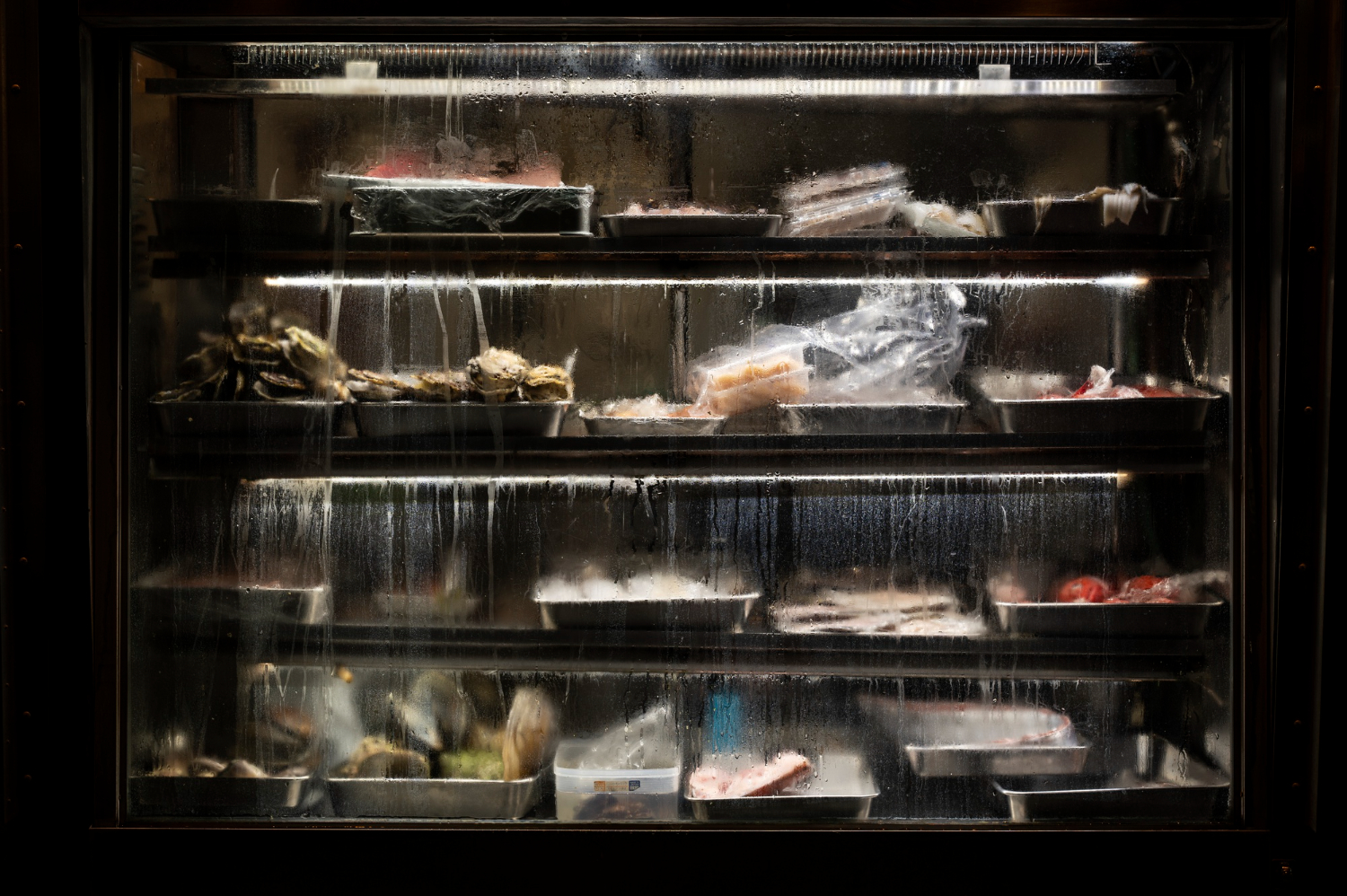
Glass-door refrigerators are eye-catchers in service areas, showcasing drinks, desserts and prepared foods. Minerals found in hard water (calcium and magnesium) often leave a cloudy white film — known as limescale — on door seals, glass panels and interior surfaces. If left untreated, limescale reduces visibility, weakens seals and forces compressors to work harder. A regular maintenance routine prevents limescale buildup, preserves appearance and ensures optimal cooling performance.
Start by turning off and emptying the unit. Remove all shelves and gasket frames to access the edges. Mix a 1:1 solution of food-grade citric acid (or diluted white vinegar) and warm water in a spray bottle. Spray the limescale on the glass and gaskets thoroughly and let the solution sit for 5–10 minutes. Use a plastic scraper with rounded edges to lift the softened limescale; avoid metal tools, as they can scratch glass or damage gaskets. Rinse with clean water and immediately dry all surfaces with lint-free cloths to prevent streaking.
Check the door gaskets for trapped mineral particles — such residues can wear down the rubber over time. Wipe the gaskets with the same citric-acid solution, then rinse thoroughly and dry completely. After cleaning, replace the shelves and vacuum the condenser coils on the back of the unit — dust and dirt that hold moisture accelerate limescale formation on the internal fins.
For stubborn deposits inside the unit, remove the evaporator covers (as per manufacturer instructions) and apply a citric-acid paste (3:1 – acid to water) to heavily scaled areas. Let the paste sit for 15 minutes under plastic wrap, then gently scrub with a soft nylon brush. Rinse using the unit’s defrost cycle or manually with a sponge. Finally, perform a controlled defrost process to remove remaining residues — collect the water in trays and dispose of it properly.
In the next section, we will cover proven methods for reducing limescale buildup over the long term — including filter upgrades, water-softening options and daily cleaning routines to keep your glass-door refrigerator consistently clear and energy-efficient.
Preventive Measures:
- Install a pre-filter: A small under-sink filter (carbon or ion-exchange) placed before water outlets reduces hardness minerals before they enter the refrigerator’s defrost drain.
- Daily quick clean: At the end of the shift, spray a mild citric-acid solution onto frequently touched areas (door handles, glass edges) and wipe dry to prevent early limescale formation.
- Control humidity: Keep the ambient humidity below 60% whenever possible, as high humidity in the kitchen promotes condensation, which accelerates limescale formation.
Regular maintenance schedule:
- Weekly: Briefly wipe gaskets and glass edges; check the drip tray for limescale deposits.
- Monthly: Clean shelves thoroughly, disassemble the door gasket frames and vacuum the condenser coils.
- Semi-annually: Completely remove the evaporator cover, remove limescale using citric paste and replace worn gaskets.
Removal tips:
- Always test cleaning agents on a small section of the gasket first to rule out rubber swelling.
- Use plastic wrap to hold acid paste in place on vertical surfaces — prevents dripping and enhances effectiveness.
- For glass scratches caused by old tools, use a cerium-oxide polishing paste after descaling.
Document all maintenance activities, including water hardness levels and any gasket replacements. These steps preserve clear visibility, maintain door seals and ensure that your glass-door refrigerators always operate efficiently — for optimal presentation and minimal energy costs.