Custom refrigerated counters and display cases keep ingredients fresh while presenting them attractively. Discover flexible dimensions, variable storage capacities, and energy-efficient compressor units.
In busy professional kitchens, immediate access to chilled ingredients speeds up preparation and improves presentation. Standard refrigeration units often take up unnecessary floor space or are positioned ergonomically poorly. Custom refrigerated counters and display cases solve these issues, as they are built precisely to your length, depth, and height specifications — with exactly the storage capacity that fits your workflow.
Each unit features an AISI 304 stainless-steel housing with 50 mm PIR insulation, which minimizes heat loss and reduces energy consumption by up to 30% compared to standard models. Widths range from 600 mm to 1800 mm, depths from 600 mm to 800 mm, and heights are adjustable between 850 mm and 950 mm. The cooling system operates with a DC inverter compressor and eco-friendly R290 refrigerant, achieving SEER values above 6.0 for maximum energy efficiency.
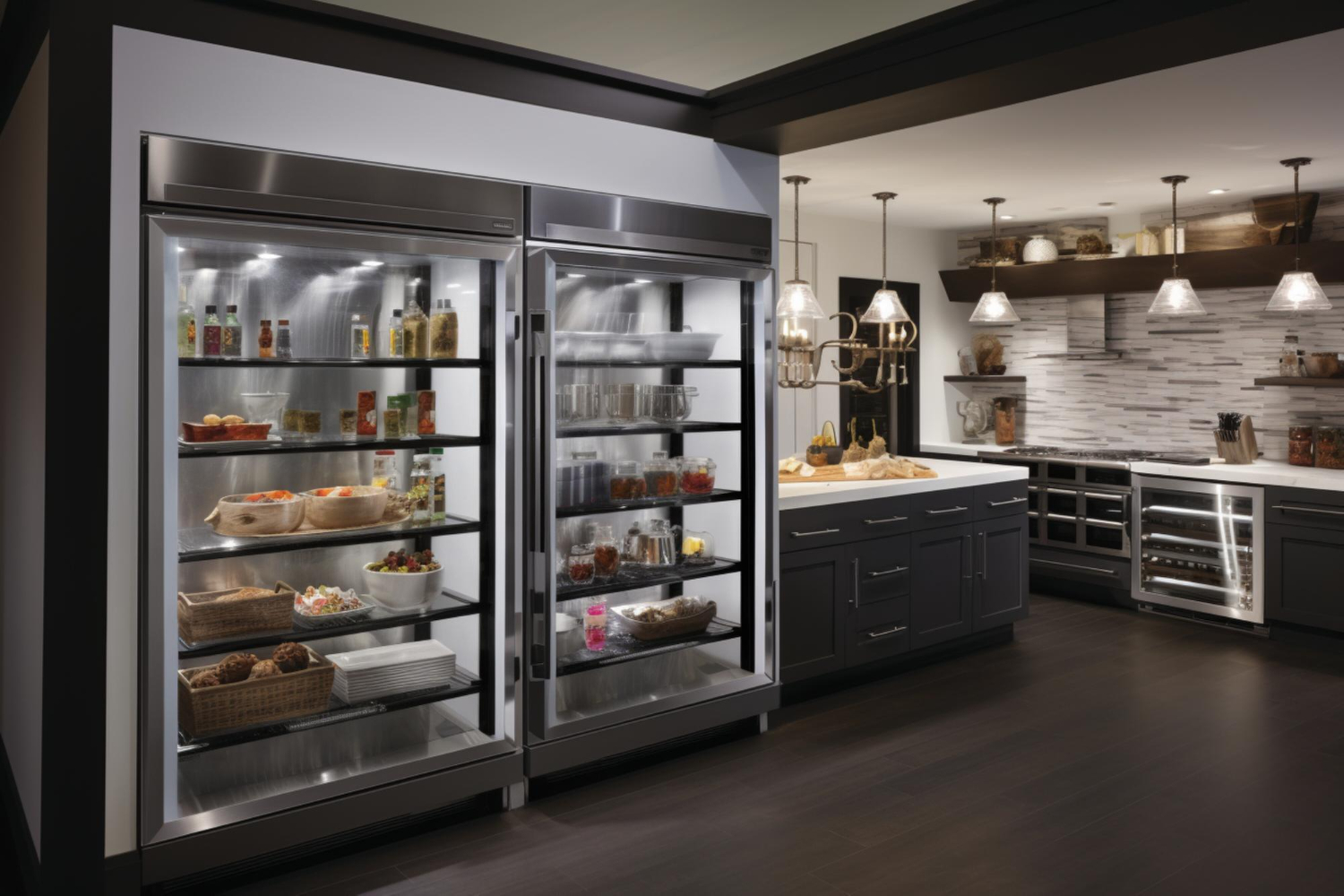
Inside, adjustable stainless-steel shelves and GN 1/1 or GN 1/2 rails allow flexible storage of trays, pans, and containers. Separate temperature zones — +2 °C for meat, +4 °C for fruits and vegetables — are controlled via a digital front-panel thermostat with 0.1 °C precision. LED-illuminated display areas showcase products attractively in glass-front display cases or behind sliding doors while ensuring freshness and hygiene for the front-of-house area.
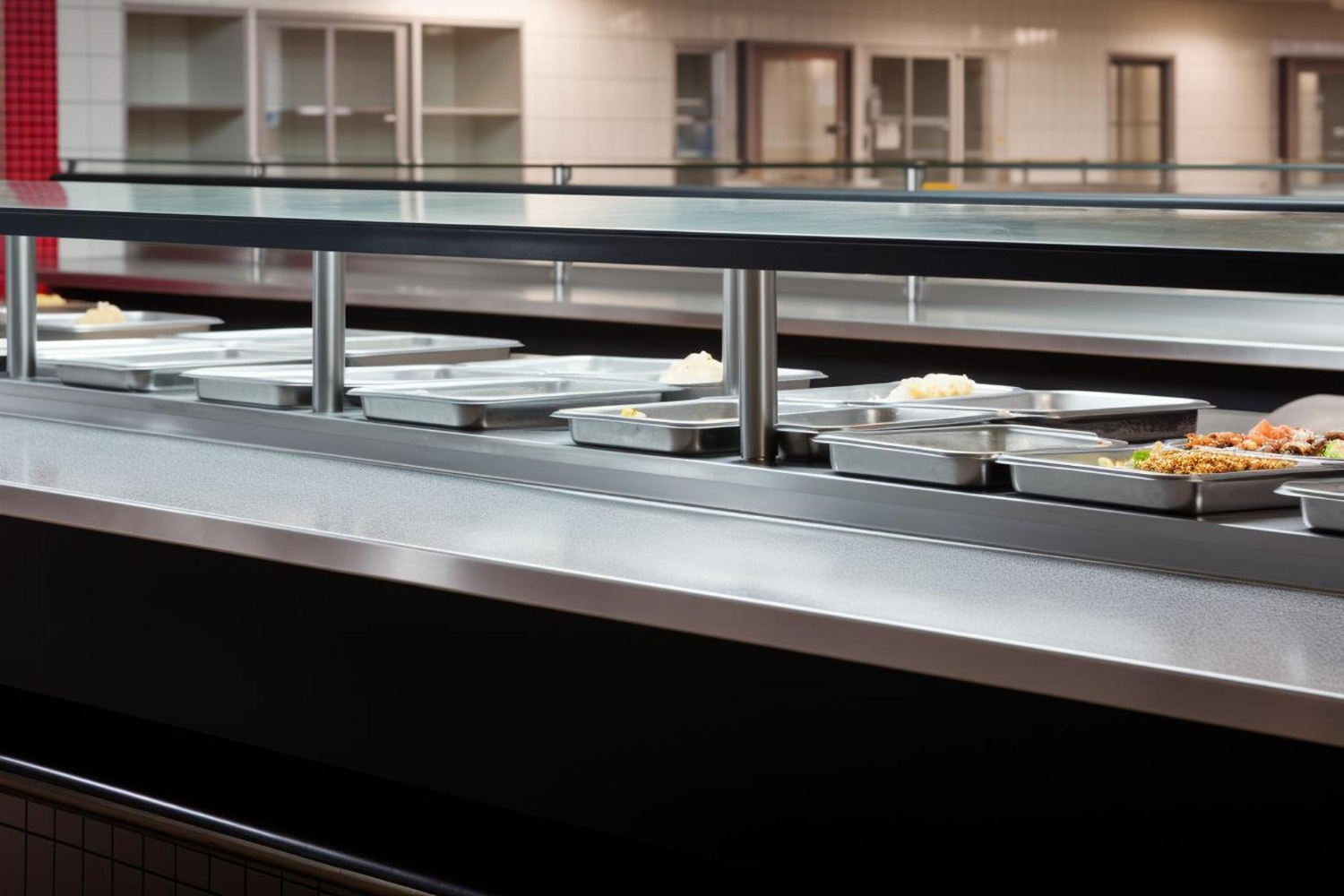
Various design options are available, such as angled or flat worktops for service counters, tray rails, and flush-mounted protective guard rails. The next section explains recommended installation procedures, refrigeration cycle planning, and maintenance routines to ensure that your custom refrigerated counter delivers reliable cooling performance and seamless integration.
The integration of custom refrigerated counters requires close coordination with HVAC and refrigeration technicians. First, the compressor location should be planned — central systems with insulated lines reduce noise levels and simplify maintenance, while compact “in-cabinet” units save floor space but require good ventilation. Align the counter perfectly level to within ±5 mm using adjustable stainless-steel feet, and seal all joints with food-grade silicone to prevent warm air from entering.
The electrical connection is usually made via a separate 230 V circuit. After switching on, a leak test must be performed to check the refrigerant charge and ensure optimal subcooling. Program the digital thermostat so that unauthorized changes are locked out and set alarm limits for excessively high or low temperatures. If desired, the system can be linked to SMS or email notifications for fault alerts.
Daily maintenance includes wiping down the stainless-steel surfaces and cleaning the door gaskets; drains should be checked weekly and the condenser cleaned. Every six months, it is recommended to replace the air filters, inspect the insulation, and check the refrigerant. These measures minimize energy consumption and extend the lifespan of your unit.
With custom refrigerated counters, kitchens benefit from improved access to ingredients, lower energy costs, and enhanced presentation quality — to the delight of both staff and guests. Robust construction, precise temperature control, and flexible layouts make these units an essential component of modern professional kitchens.